

Pastor Quinn • October 30, 2022

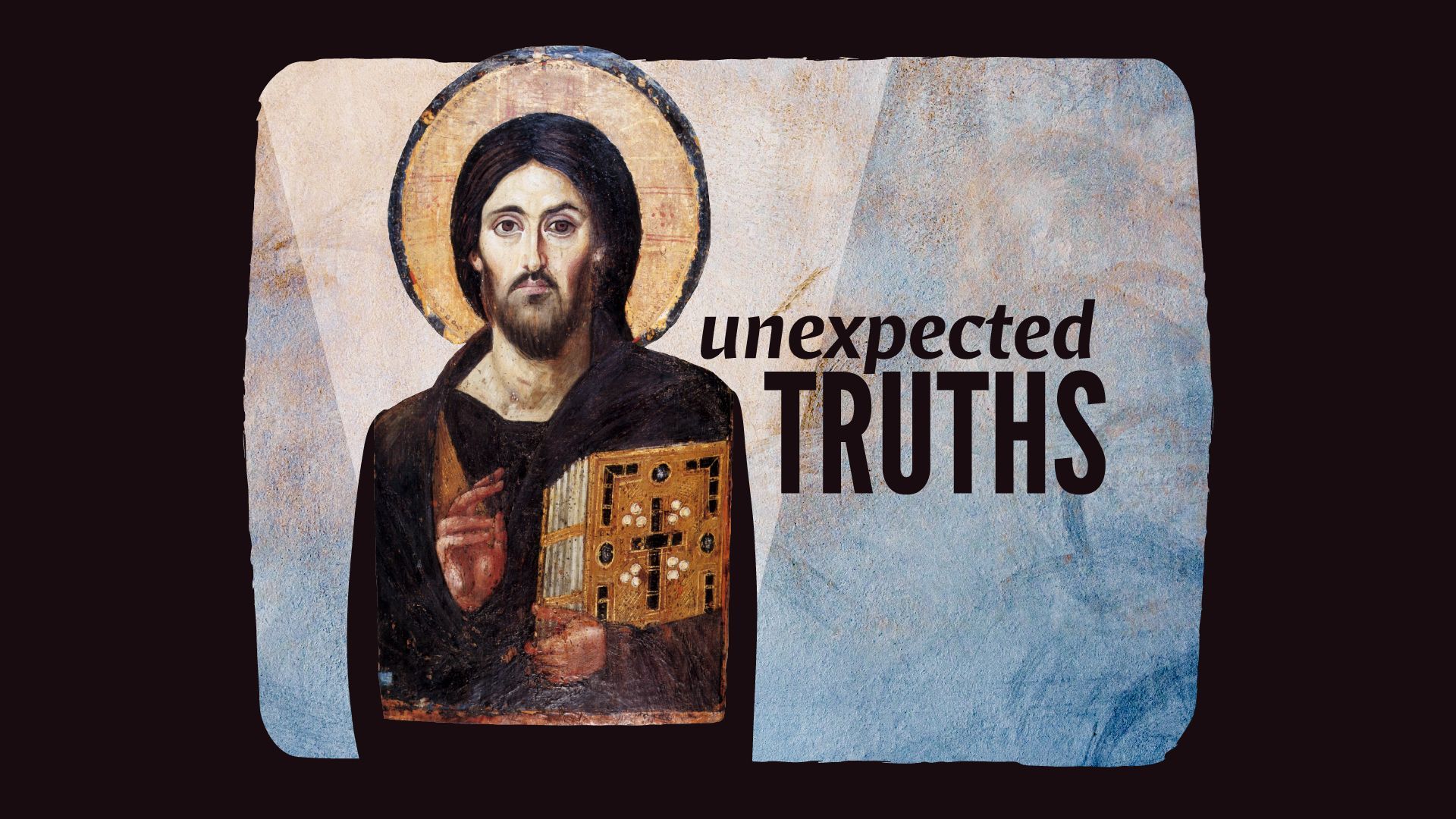
Festival of the Reformation: The Truth Sets Us Free

We value freedom and strive to protect freedoms. But do we truly understand freedom? Freedom for many means doing what you want without control or coercion.


Jesus helps us to understand true freedom: “If you hold to my teaching, you are really my disciples. Then you will know the truth, and the truth will set you free” (John 8:31,32). Jesus says that you will never be free by living however you want. Take that attitude towards life and you'll be a slave. You'll only be free—spiritually, emotionally, eternally—“If you hold to my teaching” and therefore “know the truth.”


A key principle Martin Luther reestablished through the Reformation is sola scriptura, Scripture alone. Luther thought it was the answer to all of life’s fundamental questions. On what basis is a belief or practice justified of rejected? Scripture alone. Who or what is the final arbiter of truth? Scripture alone. Heirs of the Reformation still bind themselves to Scripture. Does restricting ourselves in this manner curtail freedom? Just the opposite is true. God’s divinely inspired truth brings freedom. It frees us from slavery to sinful delusions, the burden of guilt, and any earthly power. This week we see that when we willingly bind ourselves to truth, Jesus keeps his promise. The truth sets us free.

By Pastor Quinn March 22, 2026
I recognize the danger of death. I am tempted to wonder whether my life was worth it if I do not leave a legacy or live on in the memories of my loved ones after I die. When my soul separates from my body, will I also be eternally separated from God in hell? Jesus promises much better. He promises life. One day I will be reunited with my believing loved ones, both soul and body. I will live with Jesus forever in eternity. Jesus raised people from the dead to prove his power over death. That’s exactly the power I need.
By Pastor Quinn March 13, 2026
We use the word “integrity” to refer to something being in good condition. So, we talk about the structural integrity of a building or of a ship’s hull. We mean those things are “sound” and “whole.” We use “integrity” in reference to people too. Generally, if we speak of someone having integrity, we mean that there’s a wholeness to their character. Their morals are sound. If someone lives with integrity, it is not simply that they talk and behave decently. We would say the reason their behavior is proper is because their values and desires are proper. The first six Commandments deal with our relationships with others: God and our fellow man. The final four Commandments get at the question of personal integrity. When someone steals, lies, or covets, it is a clear indication that their values and desires are highly improper. Such a person lacks honesty, empathy, and contentment. They say and do bad things because they are bad, not “sound and whole.” It is harsh, yet unfailingly true. Thus, when we break one of these Commandments, it is pointless to make excuses. Let us simply cry out, “Lord, have mercy, for failing to live with integrity!” And let us trust the Christ, who died so that we might be made “sound and whole.”
By Pastor Quinn March 11, 2026
I recognize that I need to be saved. When Jesus said, “No one can enter the kingdom of God,” that included me. I do not deserve God’s blessing. But long ago, God declared that I would be blessed by a descendant of Abraham who turned out to be Jesus. The blessing is salvation. I receive that salvation by faith in Jesus as my Savior. The good news is that faith is also God’s gift, imparted to me through the gospel.
More Sermons
